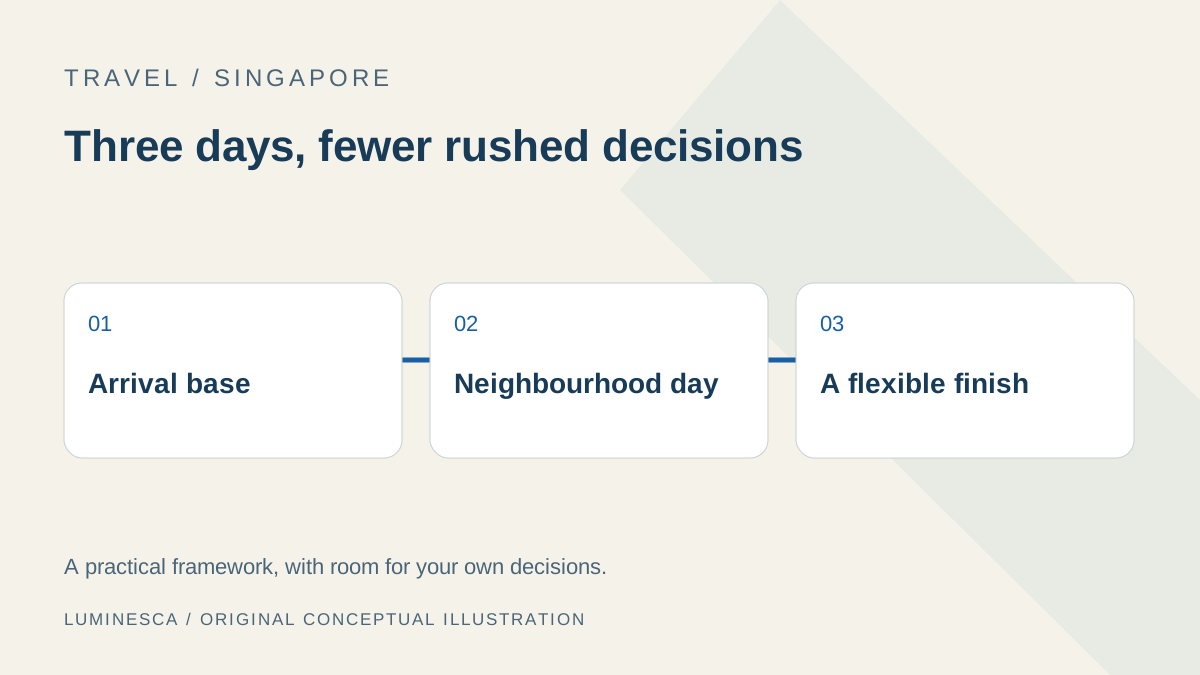
Choose neighbourhood depth before attraction count
Singapore can support a short city break, but a list of attractions is not yet an itinerary. Start with the kind of day you want: neighbourhood walking and food, galleries and indoor visits, a waterfront evening, or an island outing. Keep a major paid attraction as the day’s anchor instead of placing several timed reservations around it.
Compare accommodation by the transit entrance you will actually use and the final walk back after dinner. A central address can still involve stairs, transfers or a long walk in your particular route. Put accessibility, room occupancy, check-in and cancellation terms beside the room price when comparing two properties.
A proposed three-day city outline
| Day | Core plan | Optional addition |
|---|---|---|
| 1 | Arrival, accommodation and a short local evening. | One nearby meal or an easy waterfront walk if arrival is early. |
| 2 | Kampong Gelam as the main neighbourhood visit. | One indoor cultural stop with verified admission and hours. |
| 3 | Choose Chinatown and central city time, or a separate island day. | A departure-day activity only after checking the return journey. |
The Tourism Board’s neighbourhood collection is useful for comparing different areas, including Kampong Gelam. We suggest choosing one main area and a nearby secondary interest each day. This keeps the trip adaptable when a queue, reservation or weather condition changes.
If you add Sentosa or another longer outing, replace a city day instead of treating it as a small detour. Check the exact attraction’s reservation and transport requirements. A neighbourhood overview cannot establish admission rules for every venue within it.
Give each walk a starting and ending point
| Anchor | Published location or context | Suggested use |
|---|---|---|
| Bugis MRT | STB identifies Bugis (EW12/DT14) as the nearest station for Sultan Mosque. | Plan the exit and walking leg to your first stop; station proximity is not an accessibility guarantee. |
| Sultan Mosque | 3 Muscat Street; STB publishes visitor information and dress requirements. | Make architecture and heritage the main interest. Check the permitted visitor session before planning an interior visit. |
| Haji Lane | Featured in STB’s Kampong Gelam overview for street art and boutiques. | Choose a separate shopping or street-art block; opening conditions belong to individual businesses. |
| Chinatown Visitor Centre | 2 Banda Street, behind the Buddha Tooth Relic Temple and Museum; nearest station Chinatown (NE4/DT19). | Use this as an information stop on a separate Chinatown day, rather than adding a second district to an already full Kampong Gelam day. |
Suggested Kampong Gelam sequence: arrive through the Bugis connection that suits your accommodation, head to the Sultan Mosque area, then choose one street-art or shopping block around Haji Lane before a meal. This is our suggested order, not a timed guided route. Check the current walking route and crossings on your map. If an interior visit is unavailable, a respectful exterior visit and a different nearby interest can preserve the rest of the day.
STB’s mosque guidance asks visitors to dress appropriately and remove footwear before entering. The visitor session and the surrounding street visit are different activities; do not assume a tourist group can enter during any prayer or event. For the Chinatown alternative, save the Visitor Centre’s exact address and current opening information with the day plan. Its position behind the temple is a location reference, not a promise that the temple or museum is open.
For Kampong Gelam, choose a street or venue that you want to see, then check its current visitor information. Leave time for food and smaller streets rather than relying on one social-media photo location to fill a day. Places of worship and working businesses may have different access rules from the surrounding public streets.
For Chinatown or a waterfront evening, write down the station entrance and the place you intend to finish. If the weather makes walking uncomfortable, swap in a relevant indoor visit with its own checked opening hours. This is a flexible planning method, not a claim that every area is open or suitable at every hour.
Food choices are easier to compare when you note what you want to eat, whether your group can order together, and how you will pay. Individual stalls and venues can vary; no guaranteed queue time or fixed meal price is assumed here.
Separate airport transport from the city network
Use Changi Airport’s transport information for your arrival terminal, and the Land Transport Authority’s journey planner for the route to your destination. Check whether the available rail or bus service covers your actual arrival time. A city transit map alone does not prove that a particular airport connection is operating when you land.
- Confirm terminal, arrival time and the amount of luggage.
- Compare the complete airport-to-hotel route, including transfers and walking.
- Check the payment method and current fare conditions on the operator’s information.
- For departure, plan the hotel-to-terminal journey separately and add the airline’s required arrival margin.
Do not buy a pass solely because you will stay several days. Price the trips you expect to take and compare those with the pass’s actual scope. Walking between nearby activities may reduce the number of paid trips.
A budget that separates shared and personal costs
Hypothetical calculation, not a Singapore market quote: two people sharing one room for three nights at SGD 180 per night, four food days at SGD 40 per person per day, and SGD 140 combined transport and activity costs produce SGD 1,000 before reserve. A 10% reserve gives SGD 1,100 total, excluding flights. This example deliberately uses assumed inputs so the arithmetic can be checked.
Replace the room rate with the full charge for your occupancy and dates. Check whether taxes, breakfast, deposits and cancellation are included. Keep paid attractions on separate lines: a single large admission can matter more than a small difference in daily food assumptions.
Use the budget workbook to compare a neighbourhood-focused plan with one that includes major ticketed attractions. Keep both in SGD so an exchange-rate assumption does not obscure the comparison.
A short booking and courtesy checklist
Confirm travel-document requirements through the relevant official authority for your journey. Save any arrival procedures, accommodation address and reservation references where you can read them offline. This is preparation guidance, not an eligibility decision.
Follow posted rules at attractions, public transport, religious sites and residential areas. Check the current operating notice for any venue you consider essential to the trip. Plan one flexible block that can absorb a delayed arrival or a longer-than-expected visit without forcing the rest of the day into a rush.
Sources: review and scope
Sources checked 10 October 2026. Independent, AI-assisted writing checked against the specific references below. Neighbourhood groupings, day order and budget examples are editorial planning suggestions, not an account of our own visit. Transport, opening hours and entry conditions can change; recheck the linked operators for your actual dates.
- Singapore Tourism Board: neighbourhood collection
- Singapore Tourism Board: Kampong Gelam
- Land Transport Authority: public-transport journey planning
- Changi Airport: ground-transport information
- Singapore Tourism Board: Sultan Mosque, address, Bugis station and visitor etiquette
- Singapore Tourism Board: Chinatown Visitor Centre at 2 Banda Street
Send a correction with the page, source and relevant version or travel date.