1Why go offbeat in Japan?
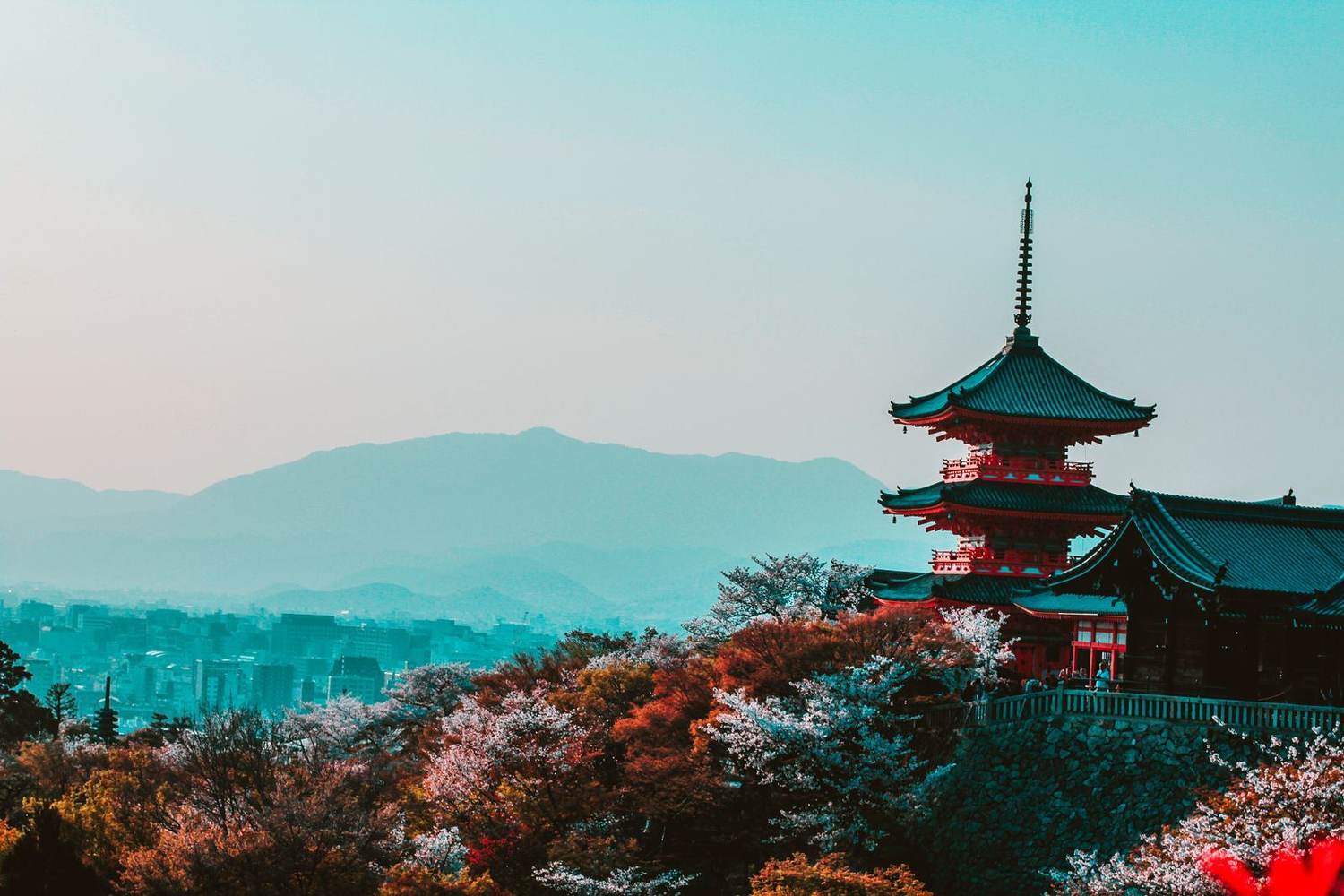
Japan is a country that has been thoroughly mapped by guidebooks. Tokyo, Kyoto, Osaka, Hiroshima, Nara — these are the conveyor. Beautiful, but on most popular routes you'll share a temple with 4,000 other people and pay €8 for a coffee. The country's quieter half is more interesting: tiny onsen towns in the mountains, a 1,200-year-old pilgrimage trail, a Tokyo neighbourhood where the locals outnumber tourists 50:1. This guide stitches together three of those routes.
2Route 1 — Mt. Takao (half day from Tokyo)
Mt. Takao is 599 m tall, sits 50 minutes west of Shinjuku by train (Keio Line, ¥440), and is one of the most climbed mountains in the world — yet most visitors never make it because they're all in Tsukiji or Akihabara. The hike is well-graded, with eight different trails ranging from paved (Trail 1, 100 minutes up) to a steep forest path (Trail 4, the "challenger's" route).
Practical
- Trail 1 (paved, cable car option): most popular, dozens of food stalls on the way up, monkeys near the top.
- Trail 4: steep, fewer people, beautiful cedar forest. Don't take it down — knees hate you.
- Yakuō-in temple at the summit: 1,100 years old, with a working temple stay (shukubō) if you want to extend.
- Onsen after: Keio Takaosan Onsen Gokurakuyu at the base, ¥1,200 with the mountain-view outdoor bath.
3Route 2 — Nagano (3–5 days)
Two hours north of Tokyo on the Hokuriku Shinkansen, Nagano Prefecture is a different world. Alpine valleys, the famous snow monkeys of Jigokudani, mountain villages that hosted the 1998 Winter Olympics, and onsen towns where a night's stay, dinner, and breakfast run ¥12,000–18,000. Best season: winter for skiing and snow monkeys, late October for kōyō (autumn colours), or June for the fresh green.
Key stops
- Jigokudani Snow Monkey Park: 800 yen entry, 30-minute walk from the car park, macaques bathing in hot springs. Go early (8 am) — the monkeys leave when the tour buses arrive at 11.
- Nozawa Onsen: free outdoor baths (13 of them, scattered through the village), great skiing in winter, hiking in summer.
- Zenko-ji Temple in central Nagano: one of Japan's oldest Buddhist temples (1,400+ years), free entry to the main hall.
- Togakushi Shrine: a 2-hour drive, 2-km cedar avenue walk up to a mountain shrine complex — feels like a Miyazaki film.
4Route 3 — Shikoku 88-Temple Pilgrimage (10–30 days)
The Shikoku Henro links 88 temples around Shikoku. A complete journey on foot is a substantial undertaking, typically planned over several weeks. For a short visit, select a manageable section and confirm distances, accommodation and onward transport; a ten-day sample is not a full walking circuit.
The henro trail is one of the few long-distance walks where strangers will offer you food, drink, or a place to sleep — sometimes just because they saw your white pilgrim vest.
Practical
- Route markers: white with red dots, on lampposts and tree-trunks. The trail is a loop, so you can join anywhere.
- Stamp book (nōkyōchin): ¥1,500 at Temple 1 (Ryōzenji, near Naruto). Each temple has a different stamp — collecting them is half the fun.
- Accommodation: temples offer shukubō (¥6,000–10,000 with dinner + breakfast), plus minshuku (family guesthouses) and a growing pilgrim-hostel network.
- Best direction: clockwise from Temple 1, the traditional route.
- Best season: April–May or September–October. Summer is brutally humid; winter is fine in the south but snow closes northern passes.
5When to go
Japan has four travel windows that beat the rest:
- Late March – early May: cherry blossom (sakura) in the south first, then moving north. Crowded but worth one trip.
- Late June – mid-July: green season, fewer tourists, lower prices, humid.
- October – mid-November: autumn colours. Cool, dry, and arguably the best weather of the year.
- Late January – February: snow country (Nagano, Hokkaido, Tohoku) plus winter illuminations. Cold, but onsen-friendly.
Avoid: Golden Week (29 April – 5 May) — domestic tourism peaks, prices double, transport books out.
6Getting around
Rail
Compare the fares of journeys actually covered by a pass with its purchase price. The official online adult ordinary seven-day Japan Rail Pass is JPY 50,000 at this check. Overseas sales-office pricing changes to JPY 53,000 from 1 October 2026. Check the sales channel and eligibility on the official Japan Rail Pass website; JRailPass is a reseller, not that official website.
Local & regional
A regional pass may cost less if its coverage matches your route. Check valid lines, dates, seat reservations and excluded buses before buying. A Nagano journey and a Shikoku journey require separate coverage checks; do not assume one regional pass covers both.
Walking
For the henro, you'll average 25–35 km per day. Lightweight gear is essential — see our smart packing guide.
7Daily budget
Build a budget using the dedicated budget guide. Its amounts are illustrative allowances; obtain current quotes in the local currency for your dates.
8Hidden gems worth the detour
- Shirakawa-gō: UNESCO village of steep thatched-roof farmhouses, 90 minutes by bus from Takayama. Sleep in one (¥9,000–14,000 with dinner) for a once-in-a-lifetime night.
- Naoshima art island: the Seto Inland Sea's "art island," 2 hours west of Osaka. Three days minimum to see Benesse House, the pumpkin, the bathrooms-as-art.
- Yakushima: the subtropical island that inspired Princess Mononoke, with 1,000-year-old cedar forests. Ferry from Kagoshima, 2 hours.
- Tōno Valley (Iwate): folk-tale country, thatched farmhouses, and the kind of deep rural Japan that's vanishing everywhere else.
Even offbeat Japan will eventually put you in a temple or someone's home. Read our local etiquette quickref before you go — the 30-second version: take your shoes off when you see a step up or tatami, don't tip (it's confusing, not generous), bow when you bow, and learn the difference between arigatou gozaimasu (thank you) and sumimasen (excuse me / sorry) — you'll use the second one ten times a day.
Local experiences
🎍 Festivals: the matsuri calendar
Japan has more festivals than any other country on Earth — the JCI lists 230,000+ annually. The three worth timing your trip around are the Gion Matsuri in Kyoto (July 17, the 1,150-year-old parade with 30-meter floats), the Nebuta Matsuri in Aomori (August 2–7, the giant illuminated paper floats paraded through the city at night), and the cherry blossom festivals across the country in late March.
🍜 Food beyond the guidebook
The food most tourists miss is the teishoku lunch: a set meal of rice, miso soup, grilled fish, pickles, and a small side dish for ¥1,200-1,500 (¥8-10). Look for the lunch-only set menus that most restaurants don’t put on the English menu. The izakaya in any office district after 6 pm is the same meal for half the price of a tourist district.
🏟e Customs worth knowing
Bowing is obvious. The less obvious: don’t pass food from chopstick to chopstick (it’s the funeral ritual), don’t stick chopsticks upright in rice (same ritual), take your shoes off at temples and traditional inns, and don’t talk on the train. The Japanese word for all of this is kata: the small rules of being a guest.
9Common pitfalls
- Underestimating distances. Japan's geography is mountainous — 100 km on the map is often 3 hours by train. Don't overpack your itinerary.
- Eating only at the train station. Ekiben (station bento) is great, but one meal at a shōtengai (covered shopping street) tells you more about a place than any guidebook.
- Booking "Japan in 7 days." Even experienced Japan travellers do Tokyo + Kyoto in 7 days. Going offbeat rewards at least 14.
- Skipping the konbini (convenience store). 7-Eleven, Lawson, and FamilyMart in Japan are a different species. Fresh onigiri, hot oden, and the cleanest public toilets in the world.
10Is Japan good for first-time solo travel?
Yes — arguably the best country in the world for first-time solo. Safe to the point where a woman can walk alone in any major city at 2 am. The language barrier is real but smaller than you'd think: most train stations have English, menus have pictures, and the country runs on politeness. Read more in our solo travel guide.
Frequently asked questions
1When is the best time to visit Japan Offbeat Routes?
The sweet spot for Japan Offbeat Routes is Apr–May · Oct–Nov. The When to go section above breaks down every season, including the months to avoid.
2How many days should I spend in Japan Offbeat Routes?
The itinerary above runs over 6 days. That covers the main highlights at a comfortable pace; add 2–3 extra days if you want to linger, travel slower, or include the hidden detours listed at the end of the guide.
3How much should I budget per day for Japan Offbeat Routes?
The illustrative daily budget for Japan Offbeat Routes is in the mid-range bracket for the destination. The Daily budget table in this guide gives a full item-by-item breakdown, from hostels to splurges.
4Is Japan Offbeat Routes safe for tourists?
Japan Offbeat Routes is generally safe for travellers who take the usual precautions — keep valuables out of sight, avoid empty streets late at night, and use licensed transport. The guide covers any destination-specific safety notes in the sections above.
5Do I need to speak the local language in Japan Offbeat Routes?
Language support varies by location and operator. Save addresses in the local language and an offline translation tool; do not assume English assistance is always available. Learning a handful of local phrases will still get you a warmer reception everywhere.