
Build the visit around neighbourhoods
Kyoto works well when you group nearby sights and leave time to walk. Use the eastern temple districts, Arashiyama and central Kyoto as separate days. Fushimi Inari and a trip to Uji can form another day if you allow for transport and rest. This is a suggested route, not a timed tour or a guarantee that every attraction will be open.
| Day | Suggested focus |
|---|---|
| 1 | Arrival and a short central Kyoto walk |
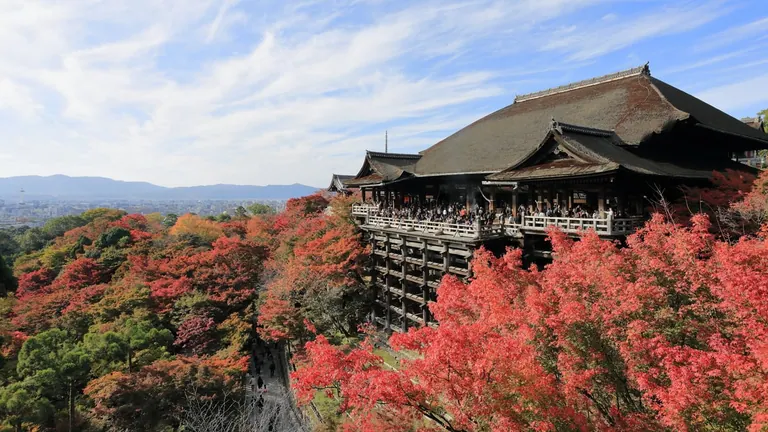
| 2 | Kiyomizu-dera, Sannenzaka, Ninenzaka and the Gion area |
| 3 | Arashiyama, with only the temples and walks you have time for |
| 4 | Fushimi Inari; add Uji only if the pace suits you |
| 5 | Northern Higashiyama and the Philosopher's Path area |
| 6 | An optional Nara day trip or a slower Kyoto day |
| 7 | Markets, a booked cultural activity and departure preparation |
Plan temple visits with the operator's information
Kiyomizu-dera's paid temple areas should not be described as free admission. Check the temple's visitor information for the current opening calendar and admission arrangements. Special evening visits may use a different schedule. Respect closed lanes and private property in Gion, and ask before photographing people.
Use rail and buses for the journeys they serve
Choose rail or subway for a useful corridor and walk the remaining distance when practical. Buses can be crowded and boarding arrangements differ by route. Follow the signs on the vehicle rather than assuming every bus uses the same tap-in and tap-out procedure. Start with Kyoto's official visitor guide for transport information.
Compare individual intercity fares before buying a nationwide rail pass. For an ICOCA card, distinguish the deposit from usable credit; confirm the current purchase options with the railway. Taxi prices depend on the exact route and traffic, so the previous fixed fares have been removed.
Choose a base, then price it for your dates
Kyoto Station can be convenient for arrivals and onward journeys. Central Kyoto offers access to shops and restaurants. Higashiyama suits visitors who value the eastern walking routes. Check the actual walking distance, lifts or stairs, luggage access and cancellation terms. Named hotel and restaurant prices in the earlier guide were not supported by dated quotes and have been removed.
Include the accommodation tax
From 1 March 2026, Kyoto's tax per person per night is JPY 200 below JPY 6,000 accommodation cost; JPY 400 from 6,000–19,999; JPY 1,000 from 20,000–49,999; JPY 4,000 from 50,000–99,999; and JPY 10,000 from 100,000. Confirm the taxable accommodation amount and whether the booking already includes the tax. See the city's tax notice.
Book food and tea experiences by menu
Check the restaurant's own menu, booking requirements, dietary options and cancellation policy. Kaiseki, a casual noodle lunch and a tea lesson are different budget items; do not infer their prices from a single daily allowance. Ask whether tax and service are included.
Continue with the budget guide, a longer itinerary and seasonal planning.
Where to stay: compare the actual addresses
These areas are starting points for a shortlist, not hotel endorsements or a price ranking. Compare properties for the same dates, room occupancy and cancellation terms.
| Area to compare | Decision to check before booking |
|---|---|
| Gion / Higashiyama | Check slopes, luggage access and the route to your eastern temple visits. |
| Downtown (Kawaramachi) | Compare the property with your useful rail and subway stations. |
| Southern Higashiyama edge | Check the exact station and evening return route before choosing the edge of the district. |
Price the room together with transfers, taxes and any parking. Change bases only when your planned stops justify the move; there is no universal day-count rule. Check routes and seasonal service with the operator for your dates.
Choose the route before booking
Compare accommodation by the actual transport or walking route to the places you will visit. For crowded or restricted areas, follow the city and venue guidance rather than treating residential streets as sightseeing facilities.
- Write your arrival and departure points and identify usable days after travel.
- Check each proposed connection with its operator before committing to the next accommodation.
- Reserve the visits that matter most, then leave room for meals, rest and changes.
Choose activities by their actual conditions
Select one main booked experience for a day and fit nearby visits around it. Ask where to meet, what the ticket covers, the return arrangement and any age or mobility requirements. A place name in this guide is an option to investigate, not a promise of opening hours, a free ticket or availability.
Budget: compare quotes for the same trip
Compare individual fares with the exact pass coverage. The dedicated Kyoto budget page retains its sourced transport example; check purchase conditions and accommodation tax with the official city pages.
Start with one currency and keep room, traveller, vehicle and group charges separate. Use your actual nights and occupancy; a room charge is not a per-person daily price. Add flights, entry costs, insurance and other exclusions explicitly.
Build the trip total in the budget workbook. It calculates from your inputs without fetching prices or converting currencies. Keep the provider, quote date and cancellation conditions alongside each amount.
Check conditions for your dates
Check temple opening arrangements, reservation requirements and local etiquette guidance. Seasonal demand can change availability; no month guarantees a quiet visit.
Check both the longer-term plan and local notices close to departure. Compare cancellation terms when an activity depends on weather, access or transport. The season of a whole country cannot describe every city, mountain and coast on the same route.